
White played 45. Kg4. The question, of course, is: is this right or wrong? Naturally, it is a good idea to back up your answer with a few variations.
Read More »White played 45. Kg4. The question, of course, is: is this right or wrong? Naturally, it is a good idea to back up your answer with a few variations.
Read More »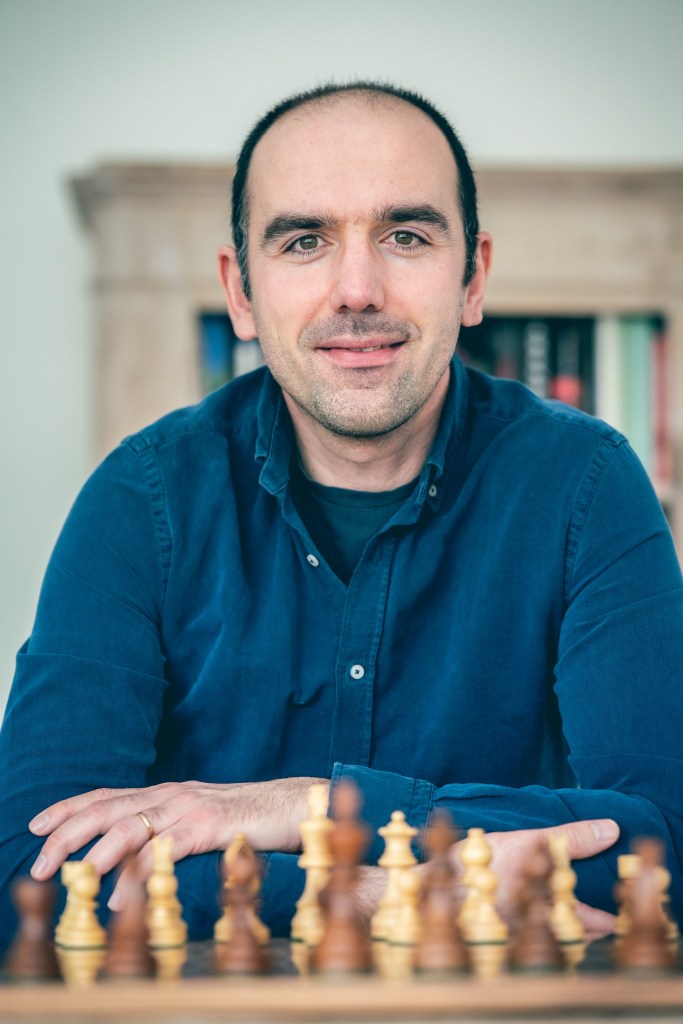
Can is a Candidate Master and FIDE Instructor based in Sweden. If you’re active on Chessable or YouTube, his name likely rings a bell. As one of Chessable’s most popular authors, you might even own one of his courses.
His track record speaks for itself: he won the 2022 Community Author of the Year Award, his course Fundamental Chess Calculation Skills was voted Best Tactics Course of 2023, and he was crowned Chessable’s Author of the Year in 2024. Need I say more? Let’s dive in and see what this remarkable coach—with his unique chess background—has to share about coaching, training, Chessable and much more.”
My cousin taught me when I was eight. She attended a private college in Istanbul where they offered chess lessons, but my school didn’t. So, one summer, she taught me the rules and I became interested in the game. I remember finding the game absolutely fascinating when she explained it to me. I played a little against my grandfather, but those were just casual games; nothing serious at all. I still remember some of the games we played in his old place in Ankara. Sadly, he died when I was 11.
Later, around the age of 15 or 16 in secondary school, we played against friends during breaks. A couple of people brought chess sets and we would play. It was still very casual, but competitive. Around the age of 17, I got my first book: Capablanca’s Chess Fundamentals. My grandmother bought it for me. I started reading chess books and became more serious about the game, though I still wasn’t playing in any tournaments.
Read More »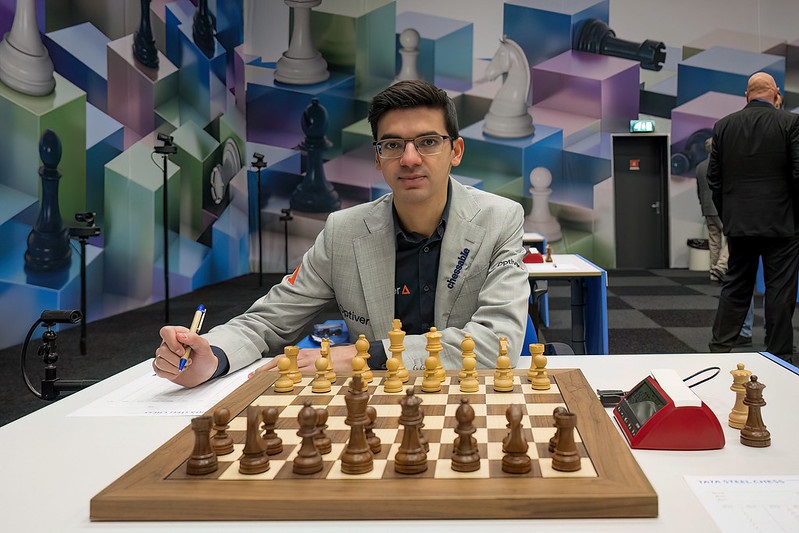
Anish Giri has had a very busy schedule over the last couple of months. He was very successful in the FIDE Grand Swiss and qualified for the Candidates. He had a shot at the World Cup, but that didn’t go as planned, like with several other top players. It’s a hard and ruthless event. In this interview, Giri talks about his experiences in both tournaments, his ideas about chess, and much more. Let’s give the floor to Anish Giri!
For sure. It’s been a while ago, and I am still enjoying the consequences of that since I am now going to prepare for the Candidates. The freshness of the tournament has faded. The Grand Swiss was a very interesting event. I thought the format of such a strong open, where only two people qualify, is the worst format there can be for me to qualify because usually I don’t lose many games, but I don’t win as many games as some of my competitors do.
Normally, this is not my format, one would think. But I still had to try because why else would I come if you don’t want to try? I was trying to play as aggressively as I can and try to score as many wins as possible.
Read More »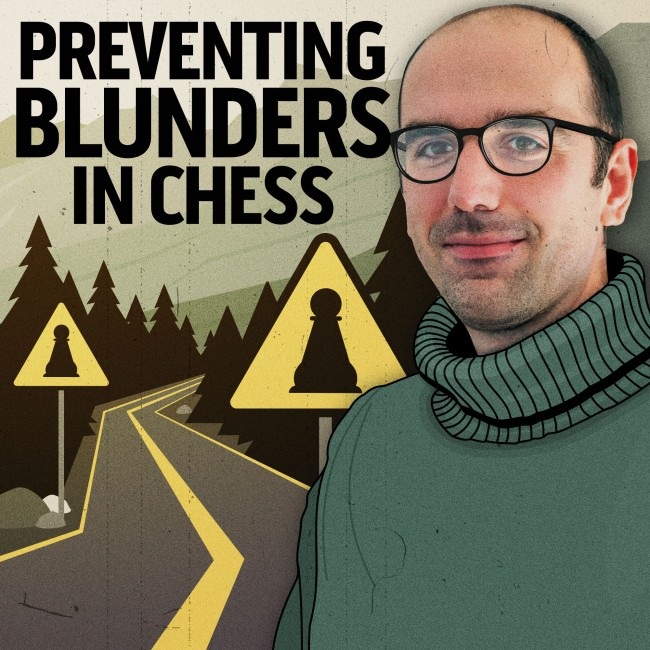
You sometimes hear chess players sigh, “If I didn’t make so many mistakes, I’d be a much stronger player!” One or more mistakes in a game are acceptable. We all make them, and they aren’t always fatal. But blunders? They hurt. A lot.
It has happened to me far too often. It’s hilarious to think that I once blundered against Can Kabadayi, the award-winning author of this excellent training course (among other things, Chessable Author of the Year 2024). It was at a weekend tournament in Malmö in 2015. I blundered a bishop for no reason at all. If I remember correctly, it was a classic case of what the author calls “mobility restrictions.”
With the knowledge I have now, that was easy to prevent. The point of this training is to avoid such big and unnecessary mistakes. We can do this well if we teach ourselves to perform a short blunder check every time we’re about to move. This Chessable course teaches you how that works.
Read More »
In recent years, I haven’t played much chess, mainly due to health problems that significantly limited my freedom. Thanks to a kidney transplant, I regained my freedom and started refreshing my opening repertoire. Let me get straight to the point: it’s anything but simple. Why?
Read More »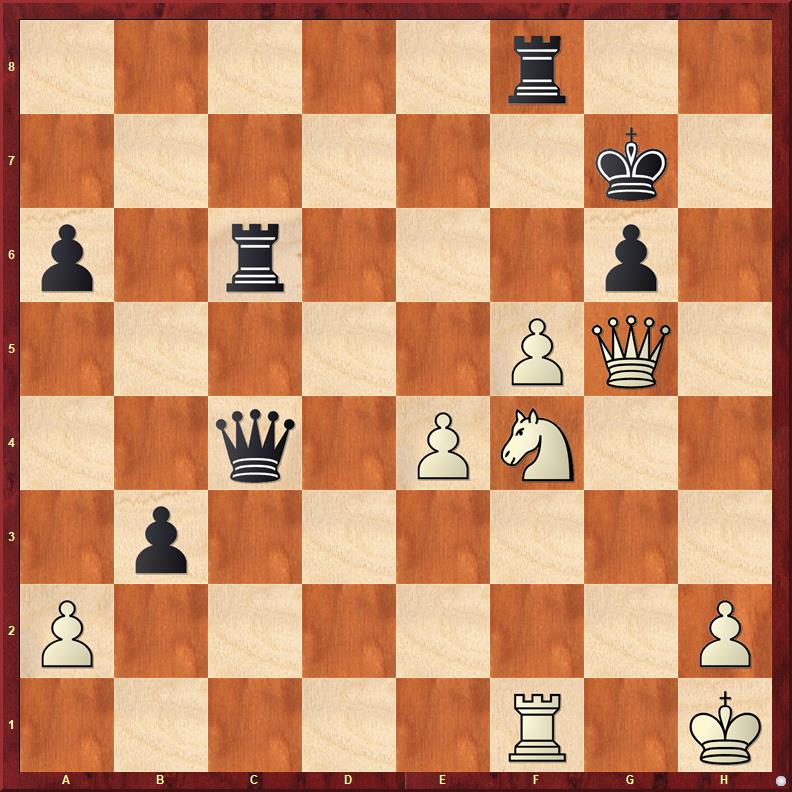
A key aspect of solving puzzles is broadening our perspective. In a position there are usually several possibilities – that is, candidate moves. The question is: do we always examine them or are we automatically looking for solutions without taking other important factors into consideration?
Read More »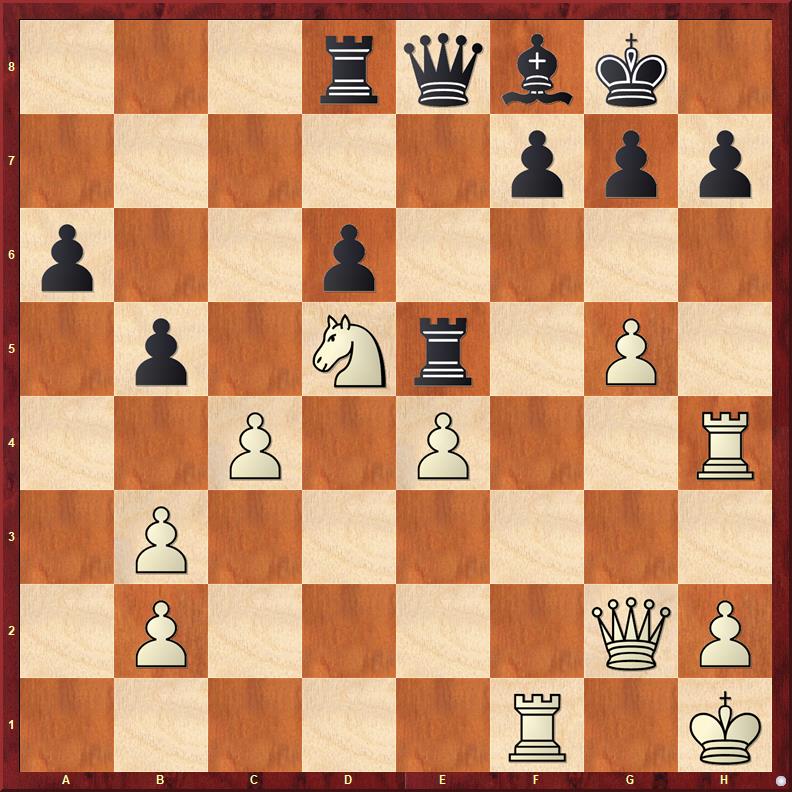
Black just played 29. … b5? in a game between De Firmian and Thorhallson (2003). This was clearly a mistake in already difficult position. How can white finish the game in style? Please scroll down for the answer.
Read More » Michel's Chess Blog